
Conference Report: The First Copenhagen Skin Day and the Inaugural Meeting of the Dermato-Iconography Forum
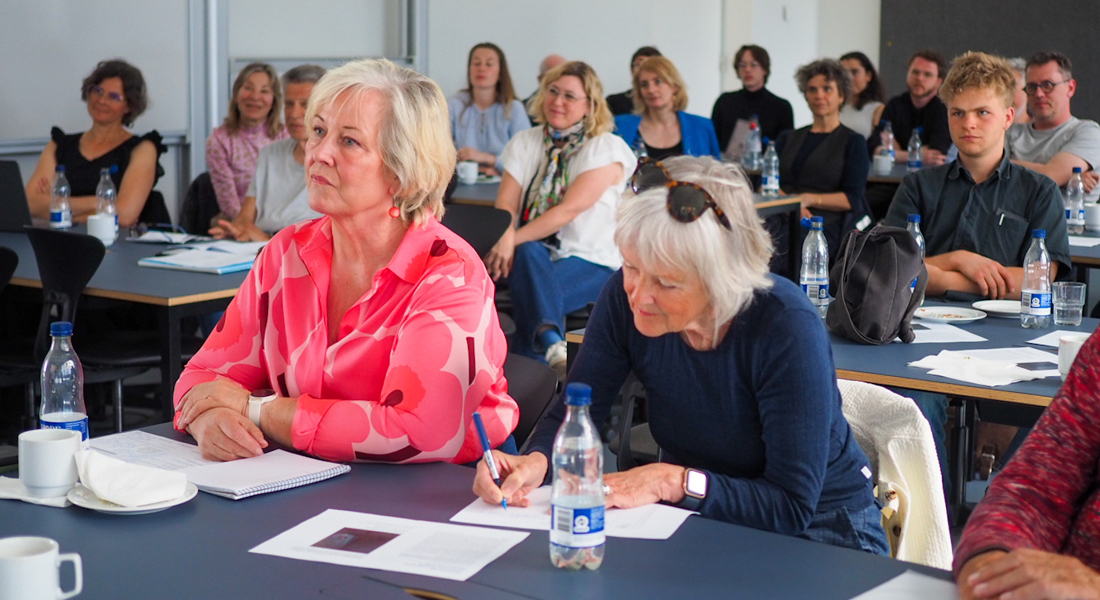
On 15 May 2025, the University of Copenhagen hosted the first Copenhagen Skin Day – an interdisciplinary event that brought together dermatologists, anthropologists, art historians, and literary and cultural studies scholars for a timely and engaging conversation about the complexities of diagnosing, interpreting, and treating skin and skin diseases. The event also marked the official launch of the Dermato-Iconography Forum, an international initiative aimed at raising awareness and fostering discussion at the intersection of medicine and art.
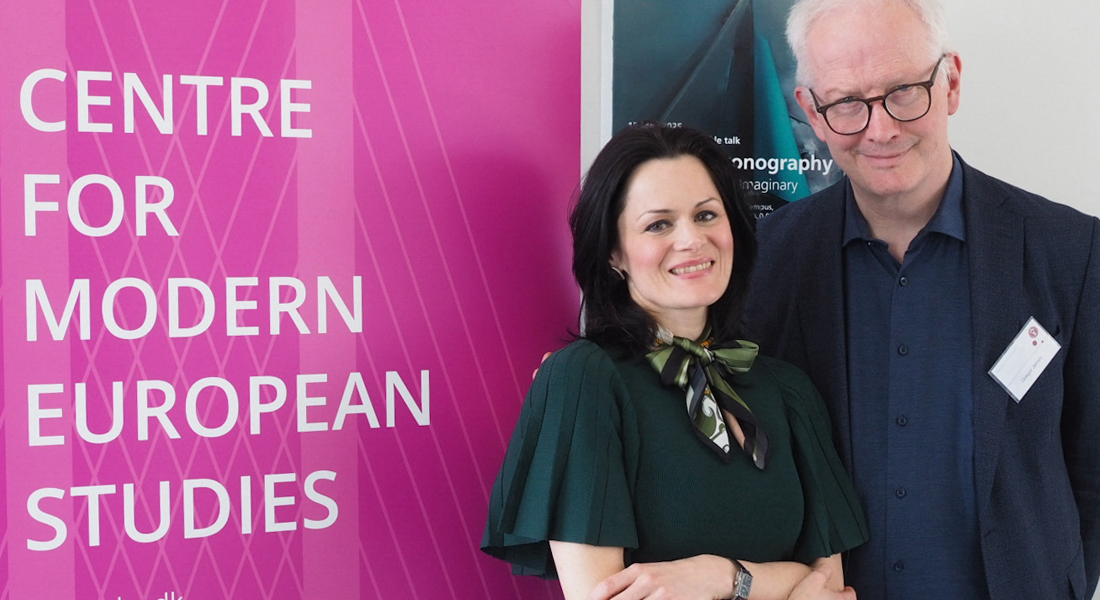
The event was opened by Irina Hron, a literary scholar and the director of the international research platform Dermacriticism, and Gregor Jemec, an internationally renowned dermatologist at Gentofte Hospital. Both are founding members of the newly established Dermato-Iconography Forum and serve on its steering committee. More than fifty participants from various disciplinary backgrounds attended the event, contributing to a vibrant, intellectually curious atmosphere.
The first part of the day consisted of six micro-lectures, each offering a unique perspective on the visual and interpretive challenges of understanding skin. Iben Miller (Copenhagen) opened the session by sharing her experiences with Art Derma workshops in dermatology departments. She focused her presentation on the concept of visual literacy in the training of medical students and dermatologists, highlighting how artistic engagement can sharpen diagnostic perception. Henrik Lorentzen (Odense) followed with a close examination of optical phenomena relevant to diagnosis. He paid particular attention to symmetry and colour as crucial aesthetic markers in dermatological diagnosis. Christian Vestergaard (Aarhus) posed the playful yet serious question: How many dermatological diagnoses can you find in a single image? Drawing on examples from art history – including the Isenheim Altarpiece and Leonardo da Vinci’s Mona Lisa – he explored how artworks can serve as diagnostic tools, inviting viewers to “read” skin with a trained eye. Gregor Jemec (Copenhagen) guided the audience through a cultural exploration of the concept of the morpheme, connecting linguistic and dermatological structures in a brief cultural history of the skin. He concluded with a call to cultivate imagination and visual training in clinical practice, emphasising the diagnostic and ethical value of interpretive precision. Irina Hron (Copenhagen) devoted her presentation to the “Art of Skinnedness”, discussing how to do justice to the various material and imaginary dimensions that reveal how we think, talk, and feel about skin. This concept lies at the heart of her own dermacritical approach. Edward Payne (Aarhus) concluded the lecture series with a reflection on the art of flaying. He examined the aesthetic, emotional, and symbolic significance of skin in early modern visual culture. His presentation revealed how deeply our fears and fantasies about skin and its removal are embedded in the history of art and medical imagery. The first half of the event concluded with a lively discussion among all participants, including clinicians, researchers, and students.
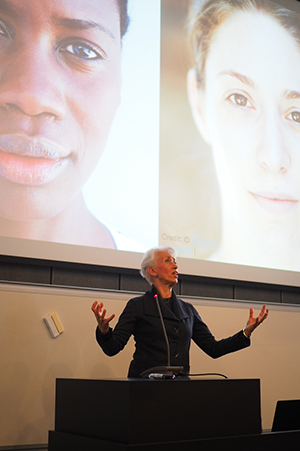 This set the tone for the second part of the day, which culminated in a keynote lecture by Nina Jablonski, Atherton Professor and Evan Pugh University Professor Emerita of Anthropology at Pennsylvania State University. Jablonski, a leading biological anthropologist and internationally recognised authority on skin and skin pigmentation, gave a talk titled “Human Skin: The Ever-Evolving Interface”. Drawing on her widely acclaimed books Skin: A Natural History (2006) and Living Color: The Biological and Social Meaning of Skin Color (2012), Jablonski invited the audience to reflect on the central role of skin in shaping human identity and interaction. The lecture traced the biological evolution of human skin over the past seven million years, focusing on its adaptive responses to environmental pressures and survival needs. From there, Jablonski turned to the cultural evolution of skin as a communicative interface – one that expresses messages through touch, decoration, and symbolic marking.
The event closed with a lively discussion that made it clear the need for interdisciplinary dialogue about skin is real and urgent. Throughout the day, it became evident that leading dermatologists are actively seeking new ways to describe and diagnose skin diseases. These new approaches draw on the visual arts, the humanities, and narrative understanding to become an integrated part of the medical expertise. The inaugural meeting of the Dermato-Iconography Forum demonstrated the great potential of collaboration between medicine and the humanities to enrich both fields. The next Copenhagen Skin Day is already in the planning stages and is scheduled for September 2026.
A warm thanks to everyone who joined the opening meeting in the spring of 2025 and helped pave the way for the Humanities and Dermatology to work more closely together in the future!
We also thank our sponsors besides CEMES: Almirall, Dansk Dermatologisk Selskab, and Novartis.
Irina Hron, December 2025
The Steering Committee for the Forum for Dermato-Iconography
- Irina Hron, Literary scholar (Copenhagen)
- Gregor Jemec, Dermatologist (Copenhagen),
- Henrik Lorentzen, Dermatologist (Odense)
- Iben Miller, Dermatologist (Copenhagen)
- Edward Payne, Art historian (Aarhus)
- Christian Vestergaard, Dermatologist (Aarhus)